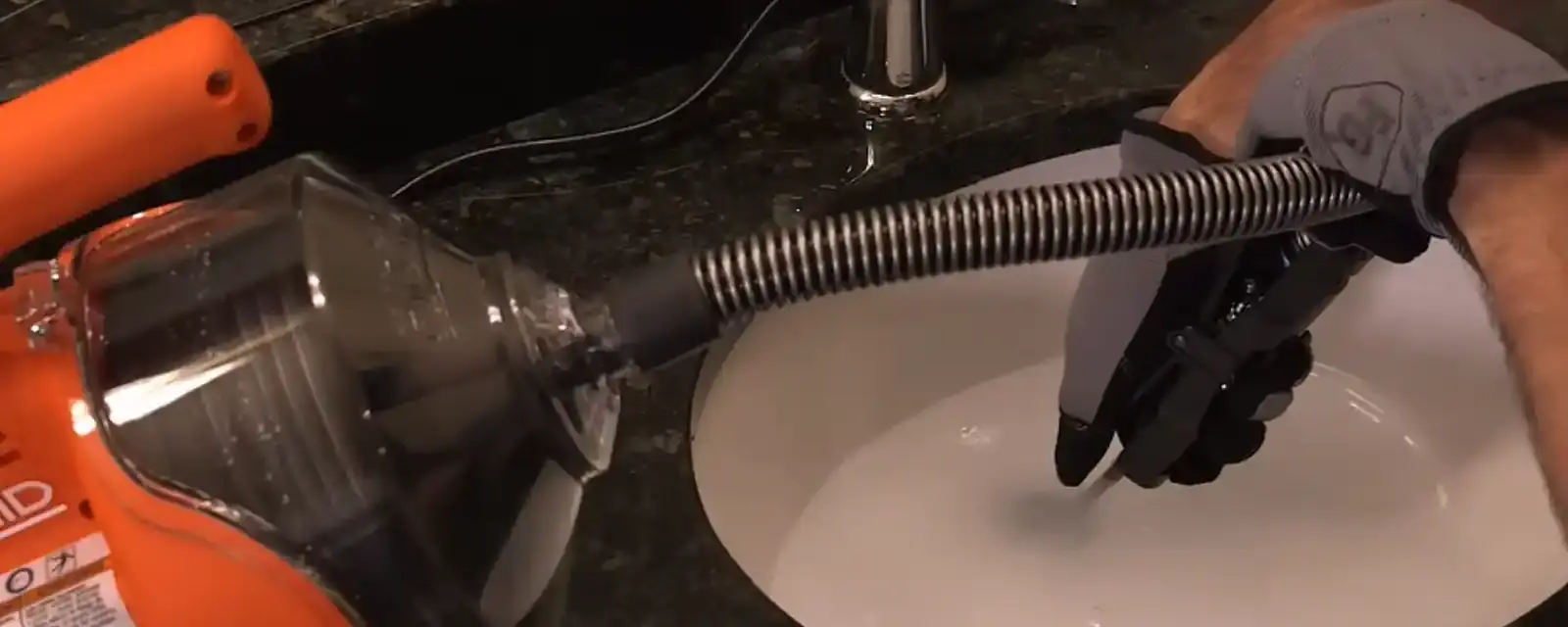
Start in the kitchen
Grease is the top enemy. Hot oil looks liquid, then cools in the pipe and coats the wall. Over months the coating narrows the pipe and catches food. Pour used cooking fat into a can, let it harden and throw it away. Wipe greasy pans with a paper towel before washing.
Coffee grounds, eggshells, rice and pasta also build up, especially in a line with a slow slope. Use a strainer in the sink, scrape plates into the trash and run hot water for a few seconds after using the sink. A garbage disposal does not make all food drain-safe. See garbage disposal repair for the limits of the unit.
In the bathroom
Hair and soap make the clog in a tub or sink. Install a mesh hair catcher in the tub and shower drains, and empty it after each use. Pull the stopper in the bathroom sink and clean it every few months, since hair wraps around the stopper arm below.
Flush only toilet paper and human waste. Wipes sold as flushable, cotton swabs, dental floss and feminine products do not break down the way paper does. They snag in the line and catch more. If a toilet backs up often, see toilet repair to check the toilet itself, and the drain line if more than one fixture is slow.
Problem right now?
Call to ask about help at your address.
What goes where
A quick household rule sheet.
| Item | Drain | Trash |
|---|---|---|
| Cooking grease | No | Yes, in a can |
| Coffee grounds | No | Yes |
| Hair | No | Yes |
| Wipes, even labeled flushable | No | Yes |
| Toilet paper | Yes | No |
The laundry and the floor drain
A washing machine drains a lot of water fast, and lint travels with it. A lint trap on the hose helps. Do not overload the sink or tub with the machine's discharge. If a floor drain gurgles when the machine runs, the main line may be partly blocked, and that is a warning.
Pour a bucket of water into seldom-used floor drains every month to keep traps filled and gas out. Keep the cover clear of laundry lint and debris. If water rises in a floor drain, stop using water and read sewer line cleaning.
The main line and trees
Tree roots find small gaps in old clay or cast iron lines and grow into them, looking for water and nutrients. Over time the roots catch debris and form a clog. A slow drain in several fixtures, a gurgle after a flush and a basement drain that backs up are signs.
An annual camera check or a cleaning every year or two can prevent a backup in a line known to have roots. See sewer inspection for what a camera shows, and hydro jetting for cutting roots. Avoid root-killing chemicals unless a plumber recommends them, since they can harm the pipe and the environment.
Chemical cleaners: use with care
Store-bought drain cleaners are strong chemicals. They can burn skin, damage some pipes and stay in a standing clog where a plumber must work. Never mix products, and never use a cleaner and then a snake without telling the plumber what is in the pipe. A plunger and a hand auger solve most small clogs without chemicals.
If the clog returns, the cause is deeper. Our drain cleaning page explains the difference between snaking and jetting. This site also covers Winfield and Wheaton for emergency backups.
A simple monthly and yearly routine
Build prevention into the calendar. Monthly, flush each drain with a kettle of hot, not boiling, water, clean the hair catchers and stoppers, and pour water into seldom-used floor drains. Seasonally, check the washing machine hose and lint trap, and listen for gurgles that signal trouble.
Yearly, look at the cleanout in the basement or yard and make sure it is accessible. If your home has trees near the line, ask a plumber about a camera check every year or two. Keep a log of any backup, its date and what was running. The log makes future diagnosis faster and helps you decide whether a deeper repair is worthwhile.
If you are buying an older home, add a sewer scope to the inspection list. A clean line today does not guarantee a clean line later, but a scope shows what you are inheriting.
When prevention is not enough
Some clogs are not your fault. A belly in the pipe holds water and debris. A joint offset catches paper. A tree root has entered through a crack. Habits cannot fix these, and cleaning only gives temporary relief.
If the same drain clogs more than twice in a year, ask for a camera. The footage shows the cause and the options, from spot repair to lining. A camera visit costs far less than a basement backup, and it gives you a record to compare with later.
Sources and standards used on this page
The sources behind this guide on how to prevent clogged drains are listed here. Our guidance follows the Illinois Plumbing Code, which is the state's plumbing standard, and the Illinois Plumbing License Law. Neither is a substitute for your city's own permit rules. Ask the building department first, and check the licence of anyone you hire at the Illinois Department of Public Health site.
What West Chicago homeowners should know locally
If the clog is in the city sewer main in the street, the city handles it. West Chicago Public Works can be reached at (630) 293-2255 for utility questions. Your plumber handles your own service line up to the connection, and can tell you which side the problem is on.
Older neighborhoods near downtown have older lines, and mature trees are common across the city. A camera before you buy or after a repeat backup is worth the cost.
Questions homeowners ask
A monthly hot-water flush and a hair catcher cover most homes. Camera checks are for repeat problems.
They are gentler than harsh chemicals, but they are slow and do not clear a solid clog.
A deeper cause such as roots, a belly or grease buildup. A camera shows it.
Usually the homeowner to the connection. Ask West Chicago Public Works at (630) 293-2255.